Fat Pad Restoration


Fat Pad Restoration in Boca Raton
Pain beneath the heel or the ball of the foot that feels concentrated, sharp, or like direct bone pressure is often linked to loss of the foot’s natural cushioning. The fat pads on the bottom of the foot are designed to absorb impact and protect the bones during standing, walking, and movement. When these pads thin, shift, or deteriorate, even routine activities can become uncomfortable.
Fat pad restoration in Boca Raton is intended for patients whose foot pain is caused by diminished cushioning rather than inflammation alone. Because multiple foot conditions can cause similar symptoms, a proper evaluation is essential before determining whether restoration is the appropriate course of care.
Patients Who Often Consider Fat Pad Restoration
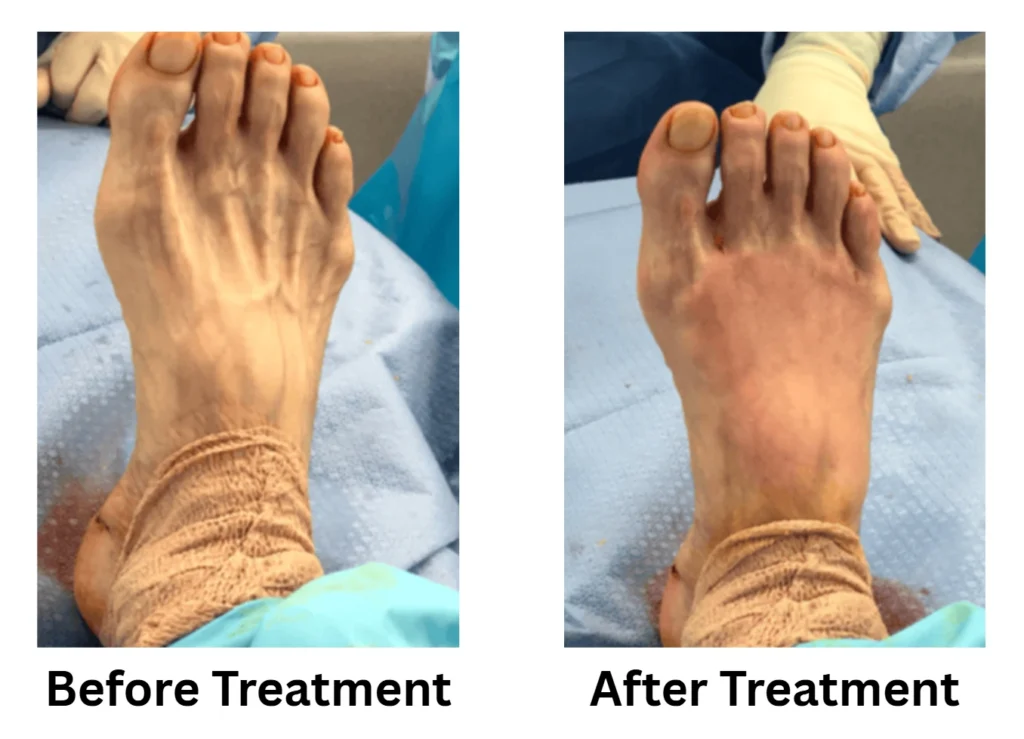
Fat pad restoration may be considered for individuals who experience ongoing foot pain related to pressure rather than strain. Common signs include:
- Localized pain under the heel or forefoot
- Discomfort that worsens on hard or unforgiving surfaces
- A noticeable sensation of reduced padding beneath the foot
- Difficulty standing or walking for extended periods
- Symptoms that do not improve with supportive shoes or inserts
Many patients exploring fat pad restoration have already tried conservative approaches and are seeking a treatment option that addresses the underlying loss of cushioning.
When Supportive Footwear Is No Longer Sufficient
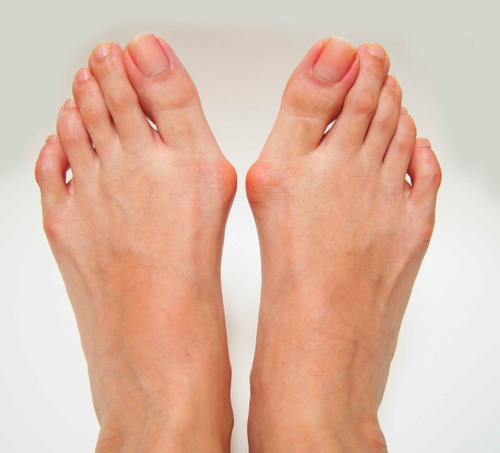
Supportive footwear, padding, and orthotics can help manage pressure temporarily by redistributing weight. However, these options do not rebuild lost fat tissue. When evaluation confirms fat pad thinning or displacement and pain continues to limit daily activity, restoration-focused treatment may be recommended.
Fat pad restoration is aimed at improving shock absorption at the point of contact, helping reduce stress on the bones and joints of the foot rather than simply shifting pressure elsewhere.
Fat Pad Restoration Treatment Approach
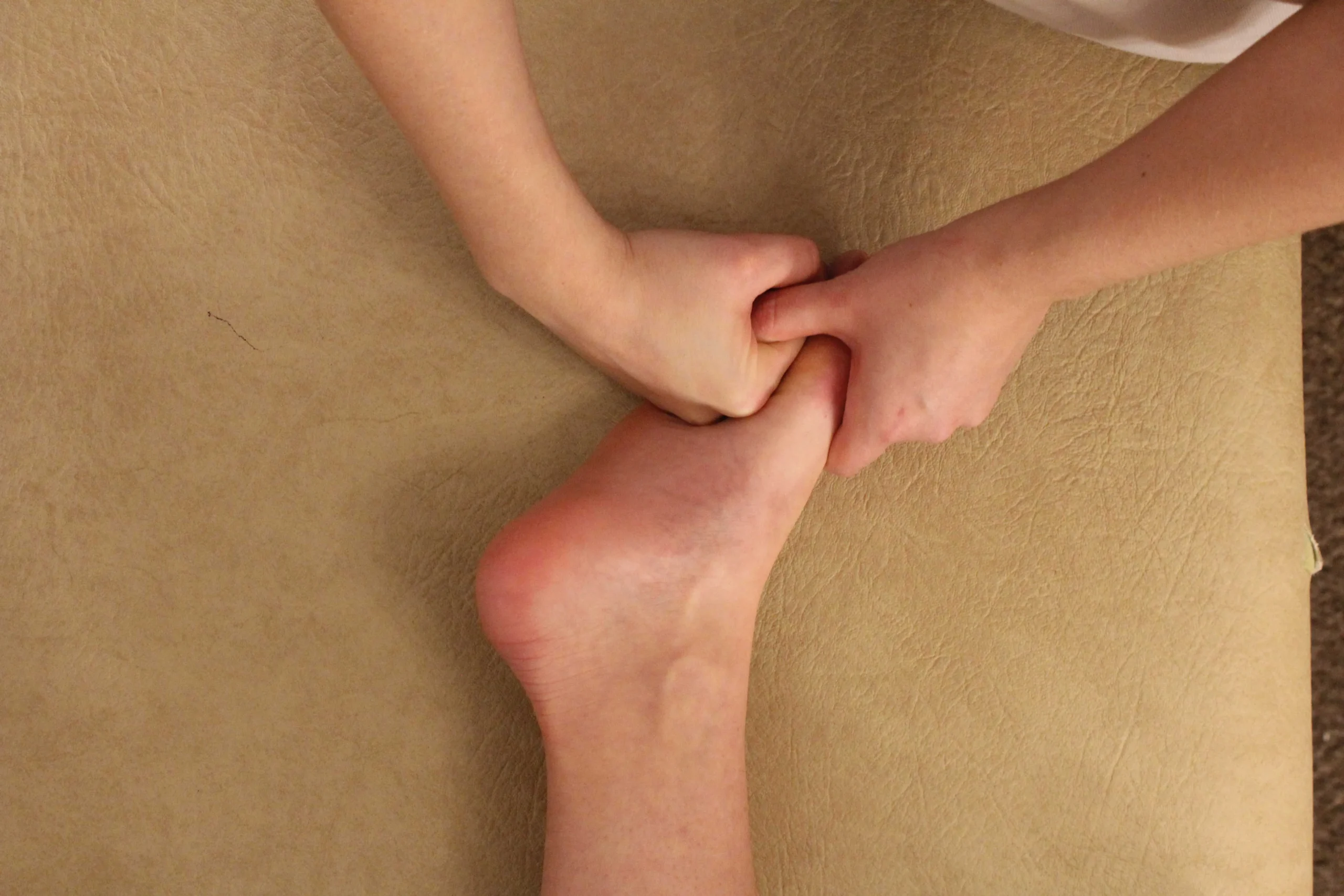
Treatment planning is individualized and based on several factors, including the location and severity of fat pad loss, foot structure, and activity level.
Fat pad restoration options may include:
- Injectable cushioning treatments, which are designed to restore volume and reduce pressure in areas where cushioning has diminished
- Fat transfer (fat grafting) in select cases, using the patient’s own fat to rebuild natural padding in the foot
The appropriate treatment approach is determined only after a comprehensive foot and ankle evaluation confirms fat pad loss as the primary cause of symptoms.
How Fat Pad Restoration Differs From Other Foot Treatments
Unlike conditions driven primarily by inflammation, fat pad loss is a structural issue. This means that treatments focused solely on reducing inflammation may not provide lasting relief.
Fat pad restoration specifically targets cushioning loss, making it a distinct treatment option for patients whose pain stems from direct pressure rather than soft tissue irritation. Accurate diagnosis is critical to ensure the correct condition is being treated.
What Patients Commonly Hope to Improve
Patients pursuing fat pad restoration in Boca Raton are often focused on restoring everyday comfort and mobility. Common goals include:
- Increased comfort while walking and standing
- Improved tolerance for daily routines and activities
- Reduced pain caused by direct pressure on the foot
- Better overall stability and foot support
Treatment planning is centered on long-term functional improvement rather than short-term symptom control.
Comprehensive Evaluation Before Treatment
Fat pad restoration always begins with a detailed clinical evaluation to ensure the correct diagnosis. This process may include:
- Physical examination of the foot and ankle
- Assessment of pressure points and gait mechanics
- Review of symptom history and previous treatments
- Imaging studies when needed to rule out other causes of pain
This evaluation ensures that fat pad restoration is appropriate and that other foot conditions are not contributing to symptoms.
Recovery and Ongoing Care
Recovery depends on the type of treatment used and individual healing factors. Patients may receive guidance on activity modification, footwear, and follow-up care to support healing and protect restored cushioning.
Ongoing monitoring helps ensure comfort improves as expected and allows adjustments to be made if needed.
Schedule a Fat Pad Restoration Evaluation in Boca Raton
If foot pain related to pressure or loss of cushioning is limiting your comfort or mobility, an evaluation can help determine whether fat pad restoration is an appropriate option.
Foot, Ankle & Leg Vein Center provides evaluation-based care focused on identifying fat pad loss and outlining treatment options tailored to each patient’s needs.
Scheduling an appointment allows your symptoms to be assessed thoroughly and your next steps to be discussed clearly
Fat Pad Restoration in Boca Raton
Pain beneath the heel or the ball of the foot that feels concentrated, sharp, or like direct bone pressure is often linked to loss of the foot’s natural cushioning. The fat pads on the bottom of the foot are designed to absorb impact and protect the bones during standing, walking, and movement. When these pads thin, shift, or deteriorate, even routine activities can become uncomfortable.
Fat pad restoration in Boca Raton is intended for patients whose foot pain is caused by diminished cushioning rather than inflammation alone. Because multiple foot conditions can cause similar symptoms, a proper evaluation is essential before determining whether restoration is the appropriate course of care.
Patients Who Often Consider Fat Pad Restoration
Fat pad restoration may be considered for individuals who experience ongoing foot pain related to pressure rather than strain. Common signs include:
-
Localized pain under the heel or forefoot
-
Discomfort that worsens on hard or unforgiving surfaces
-
A noticeable sensation of reduced padding beneath the foot
-
Difficulty standing or walking for extended periods
-
Symptoms that do not improve with supportive shoes or inserts
Many patients exploring fat pad restoration have already tried conservative approaches and are seeking a treatment option that addresses the underlying loss of cushioning.
When Supportive Footwear Is No Longer Sufficient
Supportive footwear, padding, and orthotics can help manage pressure temporarily by redistributing weight. However, these options do not rebuild lost fat tissue. When evaluation confirms fat pad thinning or displacement and pain continues to limit daily activity, restoration-focused treatment may be recommended.
Fat pad restoration is aimed at improving shock absorption at the point of contact, helping reduce stress on the bones and joints of the foot rather than simply shifting pressure elsewhere.
Fat Pad Restoration Treatment Approach
Treatment planning is individualized and based on several factors, including the location and severity of fat pad loss, foot structure, and activity level.
Fat pad restoration options may include:
-
Injectable cushioning treatments, which are designed to restore volume and reduce pressure in areas where cushioning has diminished
-
Fat transfer (fat grafting) in select cases, using the patient’s own fat to rebuild natural padding in the foot
The appropriate treatment approach is determined only after a comprehensive foot and ankle evaluation confirms fat pad loss as the primary cause of symptoms.
How Fat Pad Restoration Differs From Other Foot Treatments
Unlike conditions driven primarily by inflammation, fat pad loss is a structural issue. This means that treatments focused solely on reducing inflammation may not provide lasting relief.
Fat pad restoration specifically targets cushioning loss, making it a distinct treatment option for patients whose pain stems from direct pressure rather than soft tissue irritation. Accurate diagnosis is critical to ensure the correct condition is being treated.
What Patients Commonly Hope to Improve
Patients pursuing fat pad restoration in Boca Raton are often focused on restoring everyday comfort and mobility. Common goals include:
-
Increased comfort while walking and standing
-
Improved tolerance for daily routines and activities
-
Reduced pain caused by direct pressure on the foot
-
Better overall stability and foot support
Treatment planning is centered on long-term functional improvement rather than short-term symptom control.
Comprehensive Evaluation Before Treatment
Fat pad restoration always begins with a detailed clinical evaluation to ensure the correct diagnosis. This process may include:
-
Physical examination of the foot and ankle
-
Assessment of pressure points and gait mechanics
-
Review of symptom history and previous treatments
-
Imaging studies when needed to rule out other causes of pain
This evaluation ensures that fat pad restoration is appropriate and that other foot conditions are not contributing to symptoms.
Recovery and Ongoing Care
Recovery depends on the type of treatment used and individual healing factors. Patients may receive guidance on activity modification, footwear, and follow-up care to support healing and protect restored cushioning.
Ongoing monitoring helps ensure comfort improves as expected and allows adjustments to be made if needed.
Schedule a Fat Pad Restoration Evaluation in Boca Raton
If foot pain related to pressure or loss of cushioning is limiting your comfort or mobility, an evaluation can help determine whether fat pad restoration is an appropriate option.
Foot, Ankle & Leg Vein Center provides evaluation-based care focused on identifying fat pad loss and outlining treatment options tailored to each patient’s needs.
Scheduling an appointment allows your symptoms to be assessed thoroughly and your next steps to be discussed clearly.
Office Location
- Working Hours
Mon-Thur : 9:00am – 5:00pm
Friday : 9:00am – 3:00pm