

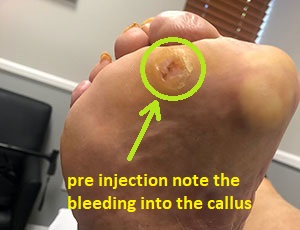
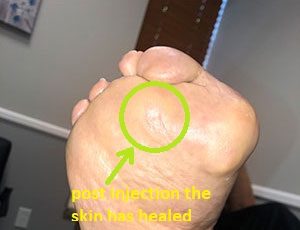
You shouldn’t always feel like you are walking on pebbles! Fat pad restoration at the Foot, Ankle and Leg Vein Center can help you walk easily again.
Fat pad restoration is a foot treatment that restores the body’s natural cushioning to the bottom of the foot. This is done in a variety of ways depending on the cause and location of the pain. Dr. Schoenhaus and Dr. Gold offer fat pad restoration in Boca Raton to help you start walking without pain. Call today and make an appointment with an award-winning podiatrist in Boca Raton, FL, or Boynton Beach, FL., (561)-750-3033.
You spend your entire life on your feet, and that pressure can wear on the cushioning that protects the bones in your feet from the ground you stand on. As you age, your body’s natural fat on the bottom of the foot is lost. This is called fat pad atrophy, and it is common in both men and women.
Fat pad atrophy can cause pain on the ball of the foot while you are walking. This is the common cause of discomfort that drives women away from wearing high heels or walking barefoot. Many people attempt to correct the issue by wearing highly cushioned insoles. However, these insoles are often not practical, as they limit footwear choices and do not eliminate the pain while barefoot.
Dr. Schoenhaus and Dr. Gold offer fat pad restoration in Boca Raton so that you can walk freely and comfortably again.
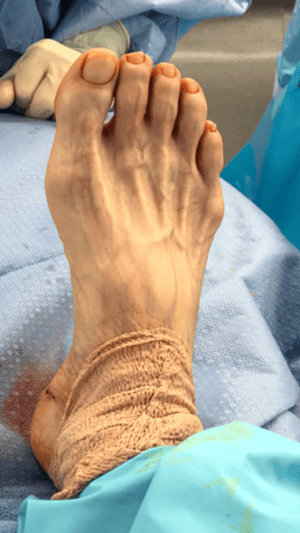
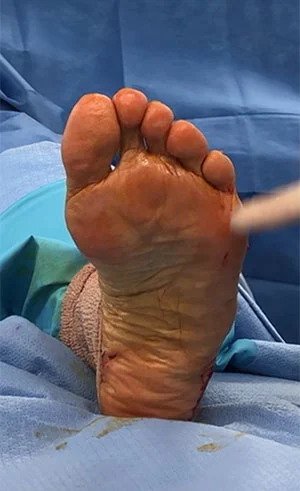
Before Treatment
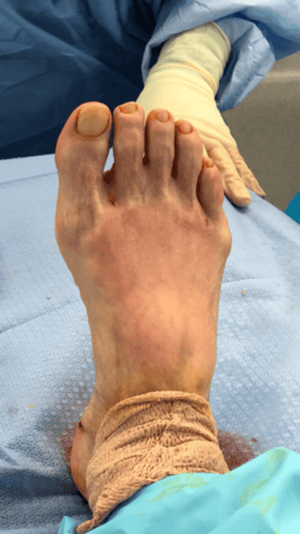
After Treatment
There are a number of conditions that can accelerate the breakdown of fat pads on the bottom of your feet. When these conditions develop, fat pad atrophy can occur as well. Sometimes, fat pad restoration can aid in the treatment of other foot conditions by enhancing comfort and restoring your ability to move.
Conditions that can sometimes be treated with fillers and fat pad restoration:
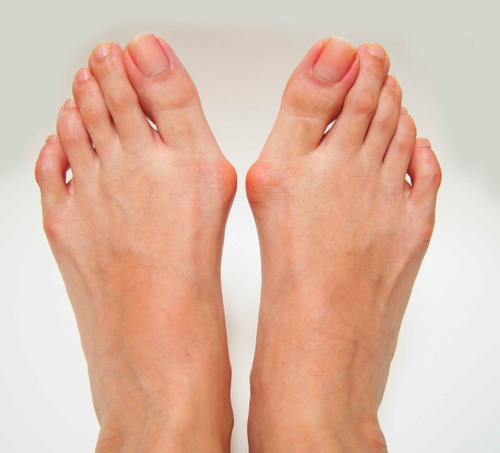
Atrophy of the fat cushion on the bottom of the ball of the foot or the heel is a common condition.
In the heel, there is an atrophy of the thickness of the fat cushion and is seen with plantar fasciitis. It may be mistaken for plantar fasciitis and your podiatrist in our Boca Raton and Boynton Beach offices can tell the difference. If you have cortisone or steroid injections and the pain is not going away, consider a consultation and fat pad atrophy treatment. There is a loss of shock absorption when you step on the heel.
In the ball of the foot, there is that pad atrophy, or the fat moves under the toes and gives a bunched-up sock feeling in shoes. This is seen in people who have a high arch foot. This leads to pain and burning sensations. People often get calluses or corns and areas of skin irritation. The pain makes it difficult to perform activities we like to perform and wear shoes we like to wear.
Finally, on the top of the foot, you can develop loss of soft tissue, fat causing thin skin and you can see the tendons under the skin.
Injectable fillers have been used for over 20 years. They are used in dermatology and plastic surgery and are now often used in the foot. This is performed in the office with little downtime and is a quick fix for foot pain that can keep you out of surgery. Whether you want to wear high heels, walk barefoot, or exercise, this treatment is a great option performed by our doctors in Boca Raton and Boynton Beach. Currently, we used RadiesseR, SculptraR, and Juvederm VolumaR. Walk-in with pain and walk-out more cushioned! The injections work great on high-pressure areas causing corns and calluses.
LenevaR Is the newest treatment and the first of its kind injectable fat graft used for fat pad restoration. It is an Adipose Allograft Matrix (AAM) which is a graft that when placed into the foot works to build fat tissue over the course of twelve weeks. The graft is safe to use has been shown to provide new soft tissue thickness and has improved the quality of skin conditions such as corns, calluses, and skin ulceration as seen in diabetics or neuropathy patients.
During your visit, if the treatment is right for you, it is performed in the office. The doctor will obtain x-rays, and perform an ultrasound to look at the area to be treated. The ultrasound is helpful to identify the extent of fat pad atrophy and show the exact location to perform the injection. Numbing medication is used on the skin and the injection is painless! The doctors do not use a needle, but use a blunt tip injector to insert the medication into the foot. Adhesive pads are placed on the foot and light pressure with walking is allowed immediately. You will be provided with complete instructions for post-procedure care. It is recommended that minimal exercise is performed for at least one week after the procedure. In more severe cases, the doctor may provide a special shoe during your healing process.
Dr. Schoenhaus is a leader of fat pad restoration. She has written papers on the use of LenevaR and performed FDA-approved research on fat pad restoration with the use of Juvederm VolumaR Both have been submitted for publication.
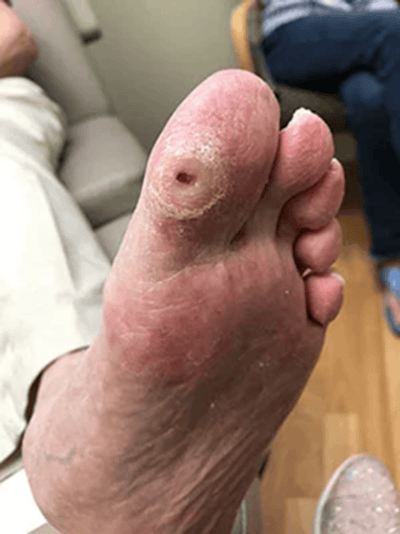
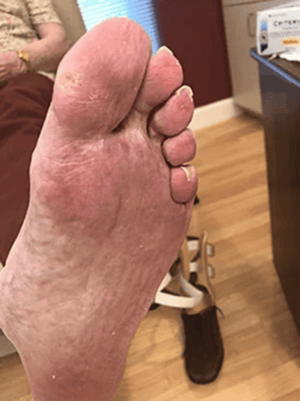
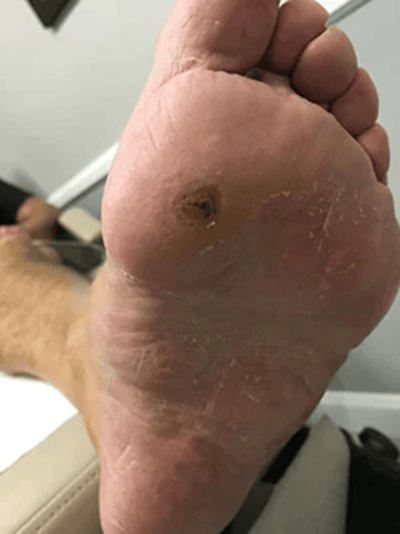
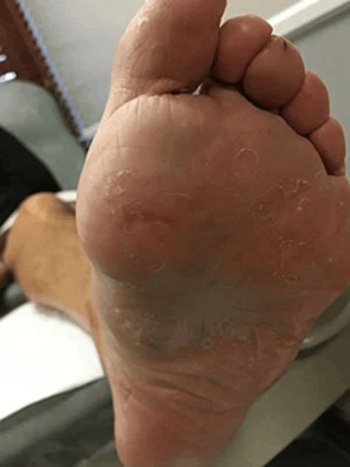
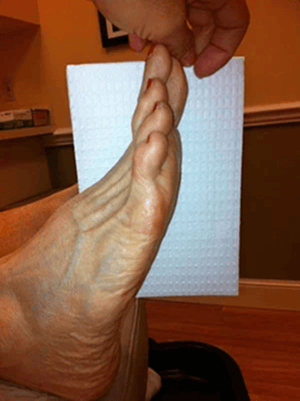
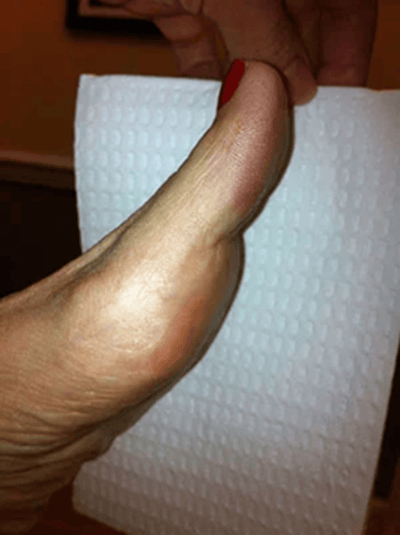
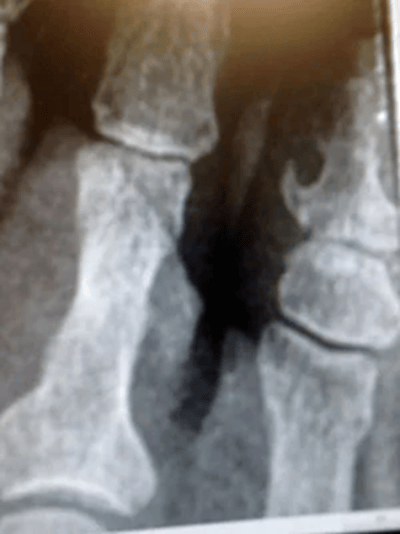
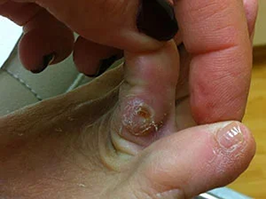
Fat grafting may be a familiar term to you but Liposana treatment stands apart because of its unique cell processing technique. Traditional methods of fat transfers can be a roll of the dice. There is always a chance that cells will die during transfer. With Liposana’s proprietary, closed-loop cell processing system, your fat cells stay happy and healthy! This results in higher fat cell survival, leading to a smoother more resilient cushion that can withstand activities of daily living.
If surgery is needed for other conditions such as a bunion, we will often use a graft and place it into the foot. This is a layered cushion of tissue that is placed under the skin and provides an extra layer of padding. It is anchored with a skin suture and becomes incorporated into your tissue within a few weeks. It is recommended to remain off of the foot for approximately one week after treatment.
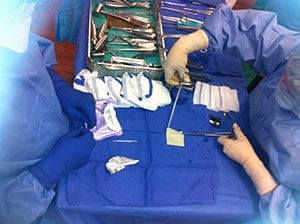
Fat transfer or Autolipotransplantation is another fat pad cushioning procedure. We work with our team of plastic surgeons to take your own fat from the stomach or buttocks and it is placed into the foot. This procedure can be formed in the office or in an outpatient surgical suite. There is a slightly longer recovery time with the procedure due to the liposuction site and the foot healing, however, you can walk with a special shoe immediately after the procedure. We have found this procedure lasts the longest and touch ups can be injected at a later date. On occasion, we will mix the fat with amnion stem cell or PRP (protein rich plasma) to stimulate the fat and lay down more padding tissue. This procedure is often used when larger volumes of fat are needed in the foot. By transferring fat from one body part to another, we can cushion the bones of the foot and provide a more comfortable pillow to walk on. This procedure is a specialized technique performed by Dr. Schoenhaus that has changed the lives of many people. Hundreds of patients travel within the US and internationally to have it performed by Dr. Schoenhaus . Visit our medical travel section of the website.
These techniques offer patients foot pad pain relief and allows them improvement in comfort and shoes as well as activity and utility to even walk barefoot
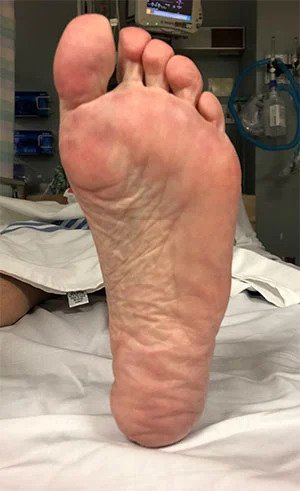
For more information about fat pad restoration in Boca Raton or Boynton Beach, contact us.
Loss of natural cushioning in the feet can quietly change how you walk, stand, and live. Fat pad restoration is a podiatry treatment focused on restoring fat pads and improving natural cushioning on the plantar aspect of the foot, also known as the sole of the foot. At Foot, Ankle & Leg Vein Center, fat pad restoration is approached as a structural and regenerative solution for foot and ankle pain rather than temporary relief.
Fat pad restoration in the foot improves shock absorption, protects pressure points, and supports overall foot structure and overall foot health, especially in patients experiencing fat pad loss or atrophy of the fat tissue.
Fat pad restoration refers to treatment modalities for fat pad atrophy that rebuild or replace fat pad tissue on the bottom of the foot. These treatment options are designed to improve cushioning in the heel or the forefoot, including the ball of the foot and balls of your feet.
Fat pad restoration may involve:
Injectable Dermal Fillers
Injectable dermal fillers add temporary cushioning to the heel or forefoot relieving pressure pain and improving walking comfort during daily.
Injectable Allograft Adipose Matrix
Injectable allograft adipose matrix provides structural support using donor tissue to restore volume and cushioning in foot for longterm relief.
Autologous Fat Grafting
Autologous fat grafting transfers your own fat to the foot creating natural cushioning with longer lasting results and improved comfort.
Surgical Implant or Graft Placement
Surgical implant or graft placement uses operative techniques to permanently replace lost fat padding in severe cases of foot atrophy.
These approaches help absorb shock when pressure equal to 2.5 times body weight loads the heel of the foot during walking.
Fat pad atrophy occurs when the natural fat pad thins, shifts, or degenerates. This condition affects the plantar fat pad, leading to pain and instability.
Aging and degenerative foot changes
Prolonged standing
Cavus foot structure
Prior steroid injections
Repetitive stress and stress fractures
Diabetes and diabetic foot conditions
Both heel fat pad atrophy and plantar fat pad atrophy reduce fat pad cushion thickness, compromising shock absorption.
These symptoms are common in heel fat pad, foot fat pad, and foot area involvement. Common signs linked to fat pad loss include:
Feeling like walking on pebbles
Heel pain or heel or forefoot pain
Pain in the ball and heel
Burning sensations in the forefoot
Callus formation under pressure areas
Pain when barefoot
Reduced tolerance for standing
Fat pad loss affects specific pressure-bearing areas of the foot like:
Loss of heel fat pad
Pain may mimic plantar fasciitis
Reduced ability to absorb shock
Metatarsalgia
Pressure under metatarsal heads
Pain worsens without an orthotic
Thin soft tissue
Visible tendons due to fat pad loss
Fat pad restoration can help manage multiple foot conditions, especially when fat pad atrophy occurs alongside structural problems.
Plantar Fasciitis: Fat pad restoration reduces heel pressure cushioning the plantar fascia decreasing pain inflammation and stress during walking standing and daily activity.
Metatarsalgia: Restores forefoot cushioning reducing pressure on metatarsal heads relieving ball of foot pain caused by repetitive stress.
Diabetic Ulcer Risk: Improved padding reduces pressure points lowering skin breakdown risk and helping prevent ulcers in patients with diabetes.
Neuropathy: Enhanced cushioning protects numb feet from pressure injuries reduces pain and improves comfort during weight bearing activities.
Bunions and Hammertoes: Fat pad restoration redistributes pressure around deformities reducing pain irritation and stress on prominent joints during walking.
Heel or Forefoot Pain: Increases shock absorption under painful areas reducing impact stress improving comfort and mobility with everyday movement.
Evaluation begins with a review of medical history and physical examination by experienced foot and ankle surgeons and DPM providers.
Ultrasound to evaluate fat tissue thickness
X-rays to assess bone alignment
Pressure analysis to identify the affected area
Review of prior injections or orthotic use
Fat pad restoration in podiatry includes several modalities for fat pad atrophy, selected based on severity, location, and patient goals.
These minimally invasive, in-office procedures restore cushioning using filler, dermal fillers, or injectable allograft adipose matrix.
Performed as an in-office procedure, plantar fat pad
Immediate offloading of pressure
Minimal downtime
Patients may walk pain-free sooner
Materials may include hyaluronic acid, collagen stimulators, or adipose-based fillers approved for use in the foot.
Allograft and human adipose tissue products act as a regenerative scaffold.
Encourage new fat development
Support regenerative treatments
Improve skin quality in diabetic foot patients
Restore natural cushioning
These treatments support restoration of the fat pad without harvesting the patient’s own fat.
Autologous fat grafting, also known as fat augmentation, uses a patient’s natural fat.
Harvesting viable fat cells
Processing adipose tissue
Injection into the plantar aspect
Long-lasting results
Excellent compatibility
Effective for larger areas of the foot
Surgical grafting may be combined with corrective surgery.
Layered fat graft
Anchored to prevent migration
Temporary offload period
Useful in severe fat pad atrophy
What healing and protection typically involve. General guidelines are:
Protected walking
Reduced impact activity
Gradual return to exercise
Monitoring of pressure points
Recovery timelines vary by treatment of fat pad modality.
You may benefit if you:
Have thin plantar cushioning
Experience persistent foot pain
Have failed conservative care
Have heel or forefoot pain
Need temporary relief or long-term restoration
Fat pad restoration supports:
Improved shock absorption
Better tolerance for standing
Reduced callus formation
Improved overall foot health
By restoring fat pad tissue, patients regain comfort in daily activities.
Fat pad loss is common, progressive, and treatable. Modern treatment modalities for fat pad restoration allow patients to walk comfortably again without surgery in many cases.
A comprehensive evaluation at Foot, Ankle & Leg Vein Center can determine the best treatment options for restoring your foot fat pad, protecting the heel or the forefoot, and helping you move forward pain-free.