
Plantar Fasciitis Treatment


Plantar Fasciitis Treatment Boca Raton
Plantar fasciitis is one of the most common causes of heel pain and can make walking, standing, and daily activity uncomfortable or painful. The condition develops when the plantar fascia, a thick band of tissue running along the bottom of the foot, becomes irritated or damaged due to repeated stress. Pain is often felt near the heel and may be most noticeable with the first steps in the morning or after long periods of rest.
Plantar fasciitis treatment in Boca Raton focuses on identifying the source of strain on the plantar fascia and creating a care plan designed to relieve pain, restore function, and prevent recurrence. Because plantar fasciitis can worsen without proper care, early evaluation is important.
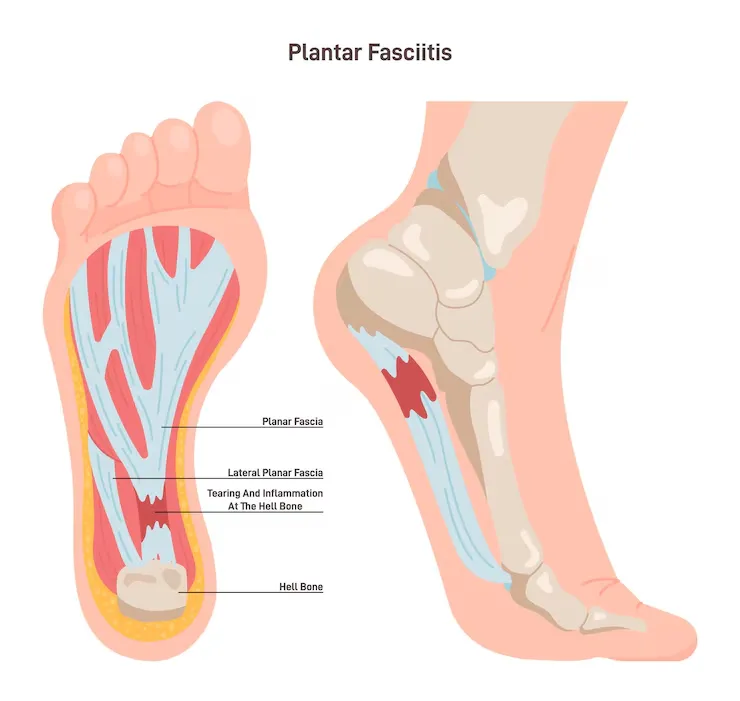
Common Symptoms of Plantar Fasciitis
Plantar fasciitis can present differently depending on activity level and severity. Common symptoms include:
- Sharp or aching pain near the bottom of the heel
- Pain that is worse with the first steps in the morning
- Discomfort after long periods of standing or walking
- Pain that improves with movement but returns after activity
- Tenderness along the arch or heel area
While plantar fasciitis is common, similar symptoms may occur with other conditions, making accurate diagnosis essential.
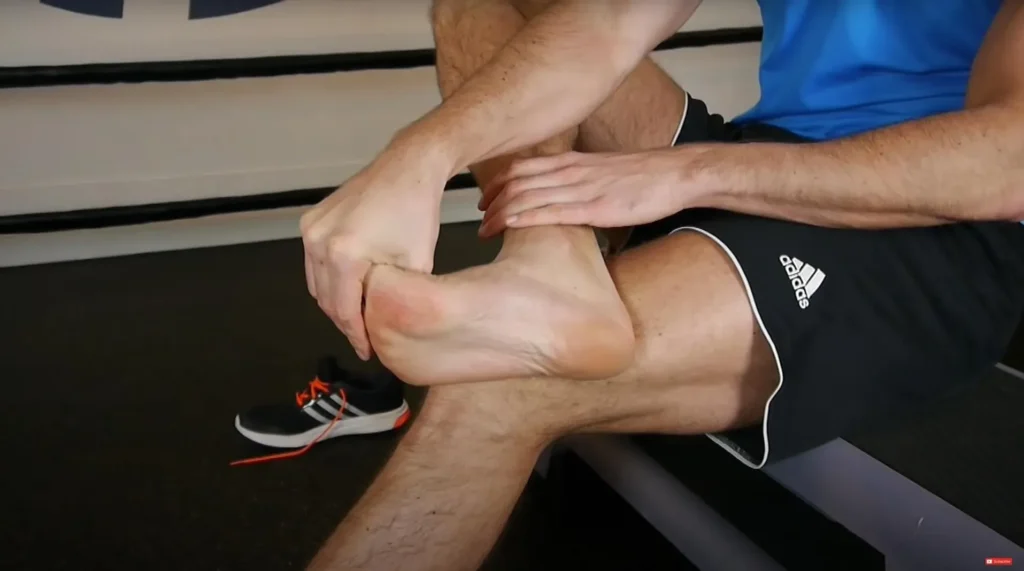
Why Plantar Fasciitis Develops
Plantar fasciitis occurs when excessive stress is placed on the plantar fascia over time. Contributing factors may include:
- Prolonged standing or walking
- High-impact activities such as running or jumping
- Tight calf muscles or limited ankle flexibility
- Flat feet or high arches
- Unsupportive footwear
- Sudden increases in activity level
Repeated strain causes micro-damage to the tissue, leading to pain and stiffness. Without proper treatment, symptoms may persist or worsen.
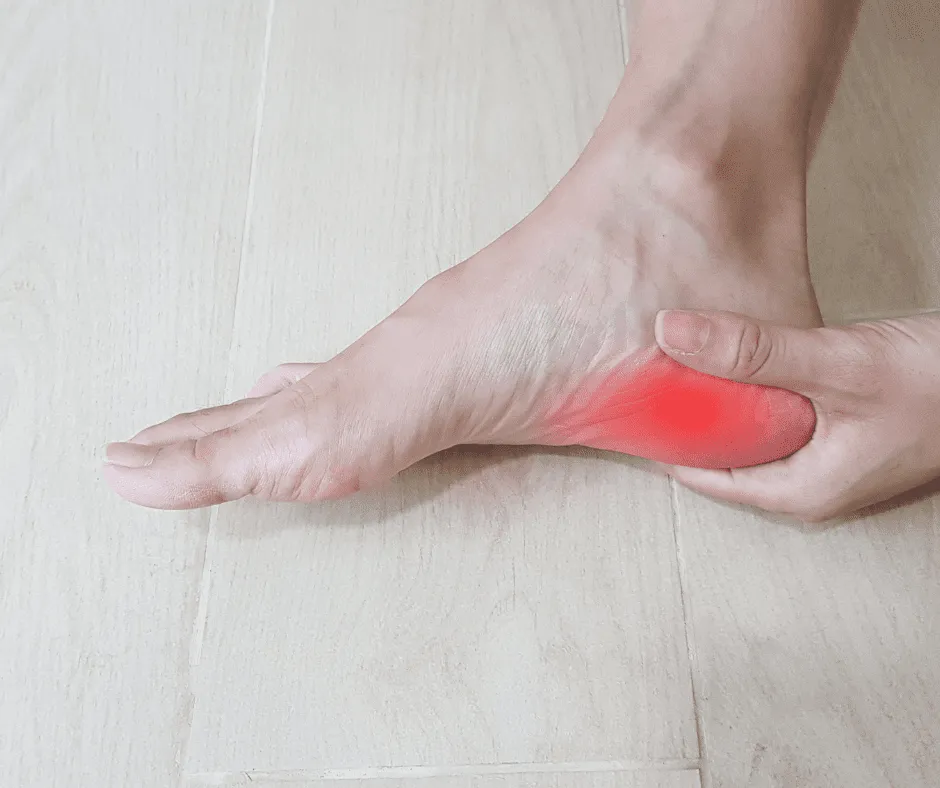
When Plantar Fasciitis Requires Medical Treatment
Mild heel discomfort may improve with rest, but medical evaluation is recommended when:
- Pain lasts longer than several weeks
- Morning heel pain is severe or persistent
- Pain interferes with work, exercise, or daily routines
- Symptoms worsen despite home care or stretching
- Heel pain becomes chronic or recurrent
Delaying treatment can lead to prolonged discomfort and may increase the risk of additional foot problems.
How Plantar Fasciitis Is Evaluated
Plantar fasciitis treatment begins with a comprehensive foot and ankle evaluation. The goal is to confirm the diagnosis and rule out other causes of heel pain, such as fat pad atrophy or stress fractures.
Evaluation may include:
- Physical examination of the heel, arch, and ankle
- Assessment of foot structure and gait mechanics
- Review of activity level, footwear, and symptom history
- Imaging studies when needed to confirm diagnosis
Accurate evaluation ensures treatment is focused on the true source of pain.
Plantar Fasciitis Treatment Options
Treatment is based on the severity of symptoms, contributing factors, and individual activity demands.
Plantar fasciitis treatment options may include:
- Targeted conservative therapies to reduce strain on the plantar fascia
- Supportive care to improve foot mechanics and alignment
- Custom orthotics to provide arch support and reduce heel stress
- Bracing or night splints when appropriate
- Advanced treatment options for persistent cases
Treatment plans are adjusted over time as symptoms improve, with the goal of restoring comfort and preventing recurrence.
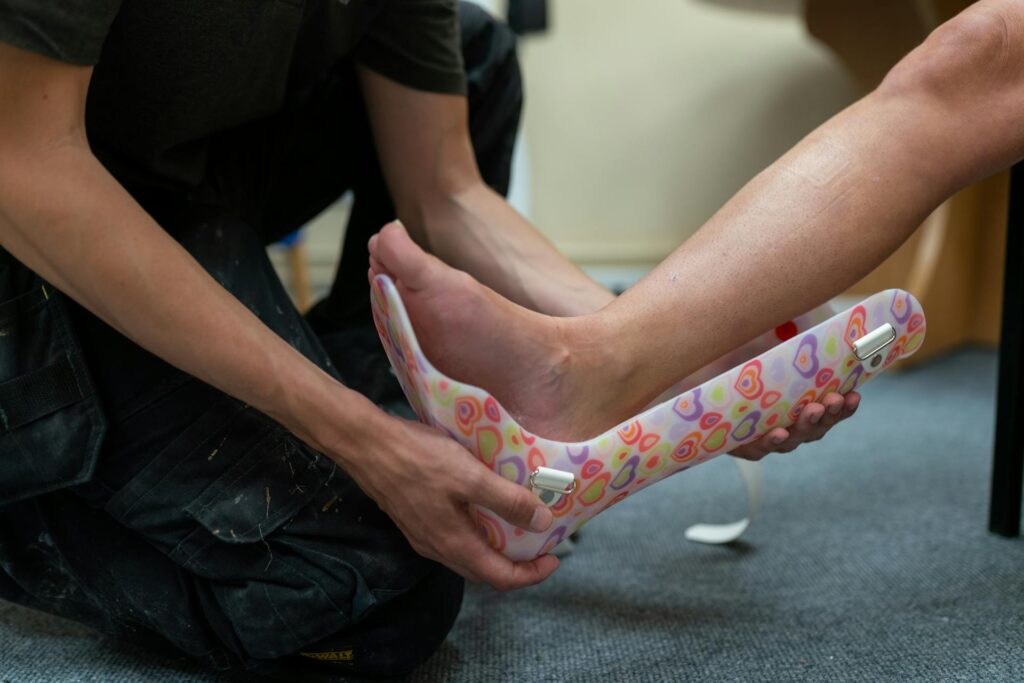
Goals of Plantar Fasciitis Treatment
Patients seeking plantar fasciitis treatment in Boca Raton are typically focused on:
- Reducing heel pain during walking and standing
- Improving comfort throughout the day
- Restoring activity tolerance
- Preventing long-term or recurring symptoms
- Supporting overall foot health
Treatment planning emphasizes both symptom relief and correction of contributing factors.
Why Proper Diagnosis Matters
Plantar fasciitis shares symptoms with other heel conditions, but treatment approaches differ. For example, fat pad loss and stress-related bone pain require different care strategies.
Accurate diagnosis ensures treatment is appropriate, effective, and not delayed by incorrect assumptions.
Schedule a Plantar Fasciitis Evaluation in Boca Raton
If heel pain is affecting your comfort or mobility, an evaluation can help determine whether plantar fasciitis is the cause and what treatment options are appropriate.
Foot, Ankle & Leg Vein Center provides evaluation-based plantar fasciitis care focused on accurate diagnosis and effective treatment planning.
Scheduling an appointment allows your symptoms to be assessed thoroughly and your care options to be discussed clearly and confidently.
Plantar Fasciitis Treatment Boca Raton
Plantar fasciitis is one of the most common causes of heel pain and can make walking, standing, and daily activity uncomfortable or painful. The condition develops when the plantar fascia, a thick band of tissue running along the bottom of the foot, becomes irritated or damaged due to repeated stress. Pain is often felt near the heel and may be most noticeable with the first steps in the morning or after long periods of rest.
Plantar fasciitis treatment in Boca Raton focuses on identifying the source of strain on the plantar fascia and creating a care plan designed to relieve pain, restore function, and prevent recurrence. Because plantar fasciitis can worsen without proper care, early evaluation is important.
Common Symptoms of Plantar Fasciitis
Plantar fasciitis can present differently depending on activity level and severity. Common symptoms include:
-
Sharp or aching pain near the bottom of the heel
-
Pain that is worse with the first steps in the morning
-
Discomfort after long periods of standing or walking
-
Pain that improves with movement but returns after activity
-
Tenderness along the arch or heel area
While plantar fasciitis is common, similar symptoms may occur with other conditions, making accurate diagnosis essential.
Why Plantar Fasciitis Develops
Plantar fasciitis occurs when excessive stress is placed on the plantar fascia over time. Contributing factors may include:
-
Prolonged standing or walking
-
High-impact activities such as running or jumping
-
Tight calf muscles or limited ankle flexibility
-
Flat feet or high arches
-
Unsupportive footwear
-
Sudden increases in activity level
Repeated strain causes micro-damage to the tissue, leading to pain and stiffness. Without proper treatment, symptoms may persist or worsen.
When Plantar Fasciitis Requires Medical Treatment
Mild heel discomfort may improve with rest, but medical evaluation is recommended when:
-
Pain lasts longer than several weeks
-
Morning heel pain is severe or persistent
-
Pain interferes with work, exercise, or daily routines
-
Symptoms worsen despite home care or stretching
-
Heel pain becomes chronic or recurrent
Delaying treatment can lead to prolonged discomfort and may increase the risk of additional foot problems.
How Plantar Fasciitis Is Evaluated
Plantar fasciitis treatment begins with a comprehensive foot and ankle evaluation. The goal is to confirm the diagnosis and rule out other causes of heel pain, such as fat pad atrophy or stress fractures.
Evaluation may include:
-
Physical examination of the heel, arch, and ankle
-
Assessment of foot structure and gait mechanics
-
Review of activity level, footwear, and symptom history
-
Imaging studies when needed to confirm diagnosis
Accurate evaluation ensures treatment is focused on the true source of pain.
Plantar Fasciitis Treatment Options
Treatment is based on the severity of symptoms, contributing factors, and individual activity demands.
Plantar fasciitis treatment options may include:
-
Targeted conservative therapies to reduce strain on the plantar fascia
-
Supportive care to improve foot mechanics and alignment
-
Custom orthotics to provide arch support and reduce heel stress
-
Bracing or night splints when appropriate
-
Advanced treatment options for persistent cases
Treatment plans are adjusted over time as symptoms improve, with the goal of restoring comfort and preventing recurrence.
Goals of Plantar Fasciitis Treatment
Patients seeking plantar fasciitis treatment in Boca Raton are typically focused on:
-
Reducing heel pain during walking and standing
-
Improving comfort throughout the day
-
Restoring activity tolerance
-
Preventing long-term or recurring symptoms
-
Supporting overall foot health
Treatment planning emphasizes both symptom relief and correction of contributing factors.
Why Proper Diagnosis Matters
Plantar fasciitis shares symptoms with other heel conditions, but treatment approaches differ. For example, fat pad loss and stress-related bone pain require different care strategies.
Accurate diagnosis ensures treatment is appropriate, effective, and not delayed by incorrect assumptions.
Schedule a Plantar Fasciitis Evaluation in Boca Raton
If heel pain is affecting your comfort or mobility, an evaluation can help determine whether plantar fasciitis is the cause and what treatment options are appropriate.
Foot, Ankle & Leg Vein Center provides evaluation-based plantar fasciitis care focused on accurate diagnosis and effective treatment planning.
Scheduling an appointment allows your symptoms to be assessed thoroughly and your care options to be discussed clearly and confidently.Heel Pain Treatment Boca Raton
Heel pain is one of the most common causes of foot discomfort and can significantly affect walking, standing, and daily activity. For some people, heel pain begins gradually and worsens over time. For others, it appears suddenly after increased activity, prolonged standing, or changes in footwear. Regardless of how it starts, persistent heel pain should not be ignored.
Heel pain treatment in Boca Raton focuses on identifying the exact source of pain and creating a treatment plan designed to relieve discomfort, restore function, and reduce the risk of recurrence. Because heel pain can stem from several different conditions, proper evaluation is essential before treatment begins.
Common Causes of Heel Pain
Heel pain is not a single diagnosis. Several structural and inflammatory conditions can produce similar symptoms, including:
-
Plantar fasciitis, involving irritation or degeneration of the plantar fascia
-
Fat pad atrophy, where the natural cushioning under the heel thins or shifts
-
Heel spurs, often associated with long-term stress on the heel bone
-
Tendon strain or overuse injuries affecting surrounding structures
-
Stress-related bone pain or microfractures
-
Abnormal foot mechanics or alignment, such as flat feet or high arches
Because these conditions can feel alike, treating heel pain without a confirmed diagnosis often leads to delayed or incomplete relief.
When Heel Pain Requires Medical Treatment
Occasional heel soreness may improve with rest, but medical evaluation is recommended when:
-
Heel pain lasts longer than a few weeks
-
Pain worsens with walking or prolonged standing
-
Pain feels sharp, deep, or pressure-based
-
Morning heel pain is severe or persistent
-
Home remedies and footwear changes fail to help
-
Heel pain interferes with work, exercise, or daily routines
Ignoring ongoing heel pain can lead to altered gait, compensation injuries in the knees or hips, and worsening symptoms over time.
How Heel Pain Is Evaluated
Heel pain treatment begins with a comprehensive foot and ankle evaluation. The goal is to determine why the heel hurts, not just where it hurts.
Evaluation may include:
-
Physical examination of the heel, foot, and ankle
-
Assessment of gait and weight-bearing mechanics
-
Review of activity level, footwear, and symptom history
-
Imaging studies when needed to confirm diagnosis or rule out fractures
This thorough approach helps distinguish between conditions that require different treatment strategies and prevents unnecessary trial-and-error care.
Heel Pain Treatment Options
Treatment is based on the underlying cause of heel pain, symptom severity, and individual activity demands.
Heel pain treatment options may include:
-
Targeted conservative therapies to reduce stress and irritation
-
Supportive care to improve foot mechanics and alignment
-
Custom orthotics or bracing when appropriate
-
Advanced treatment options for persistent or structural causes
Care plans are adjusted as symptoms improve and are always tailored to the specific diagnosis rather than a one-size-fits-all approach.
Goals of Heel Pain Treatment
Patients seeking heel pain treatment in Boca Raton are typically focused on restoring comfort and function. Common goals include:
-
Reducing pain during walking and standing
-
Improving comfort throughout the day
-
Restoring activity tolerance and mobility
-
Preventing recurrence or progression of heel pain
-
Supporting long-term foot health
Treatment planning is designed to address both short-term symptom relief and long-term biomechanical support.
Why Accurate Diagnosis Matters
Heel pain is frequently treated incorrectly when the cause is assumed rather than confirmed. For example, plantar fasciitis, fat pad loss, and heel spur–related pain may present with similar symptoms but require very different approaches.
Accurate diagnosis ensures that treatment addresses the true source of pain, avoids unnecessary delays in recovery, and improves the likelihood of lasting results.
Schedule a Heel Pain Evaluation in Boca Raton
If heel pain is limiting your ability to stay active or comfortable on your feet, an evaluation can help determine the cause and appropriate treatment.
Foot, Ankle & Leg Vein Center provides evaluation-based heel pain care focused on accurate diagnosis and effective treatment planning.
Scheduling an appointment allows your symptoms to be assessed thoroughly and your treatment options to be discussed clearly and confidently.
Office Location
- Working Hours
Mon-Thur : 9:00am – 5:00pm
Friday : 9:00am – 3:00pm