

Experience healthier, better-looking legs with treatment for varicose veins in Boca Raton, Boynton Beach, and covering Palm Beach County, FL.
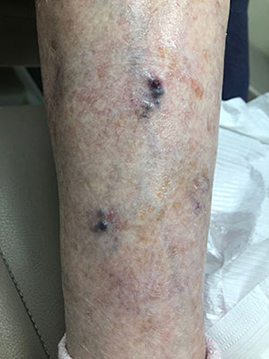
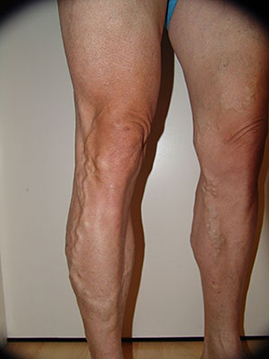
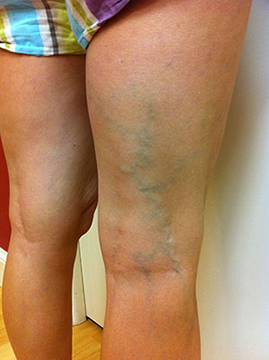
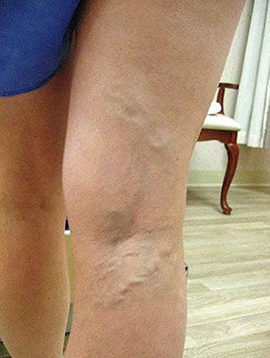
Varicose veins are characterized by being engorged, purple, and discolored on the surface of the skin. They develop as a result of swollen veins that cause blood to pool in the shallow veins of the extremities. They are most common in the legs and affect about half of all people over 50.
Dr. Schoenhaus, the varicose veins specialist offers a range of treatments for varicose veins including Venaseal, Radiofrequency ablation, and laser vein removal in Boca Raton.
Varicose veins are veins that are twisted, inflamed veins that impede proper blood flow, ultimately causing blood to pool. This happens most frequently in the lower extremities, commonly appearing on the inside of the legs, thighs, or the back of the calves. Sometimes they develop in other parts of the body.
While varicose veins are similar to spider veins, the two are separate medical conditions. Varicose veins are considered a more severe form of venous insufficiency than spider veins.
Varicose veins are caused by weak and damaged valves within the blood vessels that are unable to properly push blood back to the heart. When the valves become weak, blood can flow backward through the veins and pool in the legs.
The condition often develops as a result of standing or sitting for prolonged periods of time, like during travel or work.
Factors that can increase your risk of developing varicose veins include:
The symptoms of varicose veins range from mild to severe, including:
These symptoms will develop at the site of the vein and can grow more severe over time. If left untreated, it can increase your risk for deep vein thrombosis, blood clots, bleeding, and skin ulcers.
Dr. Schoenhaus may recommend a number of lifestyle changes to help in the treatment. These may include avoiding standing or sitting for long periods of time or wearing compression stockings to enhance blood flow.
When severe, Dr. Schoenhaus, the varicose veins specialist may recommend minimally invasive treatment options, such as laser vein removal, radiofrequency ablation, venaseal or sclerotherapy.
Your questions answered
Varicose veins are characterized by being engorged, purple, and discolored on the surface of the skin. They develop as a result of swollen veins that cause blood to pool in the shallow veins of the extremities. They are most common in the legs and affect about half of all people over 50.
Varicose veins are caused by weak and damaged valves within the blood vessels that are unable to properly push blood back to the heart. When the valves become weak, blood can flow backward through the veins and pool in the legs.
Varicose veins often develop as a result of standing or sitting for prolonged periods of time, like during travel or work.
Factors that can increase your risk of varicose veins include:
The symptoms of varicose veins range from mild to severe, including:
These symptoms will develop at the site of the vein and can grow more severe over time. If left untreated, it can increase your risk for deep vein thrombosis, blood clots, bleeding, and skin ulcers.
To effectively treat varicose veins in Boca Raton, your doctor may recommend a number of lifestyle changes to help in the treatment. These may include avoiding standing or sitting for long periods of time or wearing compression stockings to enhance blood flow. When severe, your doctor may recommend minimally invasive treatment options, such as laser vein removal, radiofrequency ablation, venaseal, or sclerotherapy.
If you are searching for varicose vein treatment, you are likely looking for ways to relieve symptoms, improve how your veins look, and prevent varicose veins from getting worse. Varicose veins are more than a cosmetic concern. They often reflect chronic venous insufficiency, a vascular condition where damaged vein valves disrupt normal blood flow and blood circulation in the legs.
At Foot, Ankle & Leg Vein Center, our focus is to accurately diagnose varicose veins, identify the affected vein, and create a personalized treatment plan using the latest treatment options available.
Varicose veins are swollen, enlarged veins that appear twisted and bulging just under the surface of the skin. These veins just under the skin are often blue or purple and are most commonly seen in the leg veins, especially when veins are close to the skin.
Varicose veins develop when a weak vein valve allows blood to flow backward, causing the vein to swell. Over time, this pressure causes twisted veins, visible bulging veins, and changes to the surface of the skin.
Varicose veins and spider veins are related but in different conditions. Spider veins are smaller veins close to the surface, while larger varicose veins usually indicate deeper vascular problems involving a superficial vein such as the saphenous vein.
Varicose vein symptoms can range from mild discomfort to more serious health concerns. Varicose veins often cause symptoms that worsen with standing or sitting for long periods.
Common symptoms include:
Aching, Throbbing, or Burning Pain: Varicose veins cause aching throbbing or burning pain due to increased venous pressure and impaired blood flow in legs.
Heavy or Tired Feeling in the Legs: Poor vein function leads to blood pooling creating heavy tired legs especially after prolonged standing or sitting periods.
Swelling in the Lower Legs or Ankles: Swelling occurs as weakened veins allow fluid to leak into surrounding tissues causing ankle and lower leg edema.
Skin Irritation or Discoloration: Chronic venous insufficiency may cause skin irritation discoloration or thickening due to prolonged pressure and inflammation.
Itching Along the Affected Vein: Itching develops from inflammation dryness and poor circulation affecting skin overlying damaged veins.
Night Cramps or Restless Legs: Varicose veins can trigger night cramps or restless legs by disrupting circulation and muscle oxygenation during rest.
Bulging Veins Near the Surface: Bulging veins appear when vein walls weaken and valves fail allowing veins to enlarge near skin surface.
Severe varicose veins may increase the risk of blood clot, clot formation, bleeding, or skin ulcers. These are signs that veins may need treatment.
Varicose veins happen when vein valves fail and blood pools instead of moving efficiently through deeper veins toward the heart.
Common factors that increase the risk of varicose veins include:
Family history of vein disease
Aging and valve deterioration
Pregnancy and hormonal changes
Prolonged standing or sitting
Obesity or excess pressure on leg veins
Prior injury or vein surgery
Over time, this pressure causes the vein lining to weaken, causing veins to become enlarged veins that bulge outward.
To determine the best treatment, a specialist must accurately diagnose the underlying vein problem.
Diagnosis typically includes:
Physical examination of veins that appear abnormal
Review of symptoms and medical history
Ultrasound, which uses sound waves to evaluate blood circulation and valve function
Ultrasound helps identify whether reflux involves a superficial vein, deep vein, or both, and whether veins can be treated with minimally invasive vein treatments.
Treatment for varicose veins depends on vein size, symptoms, and the location of the damaged vein. Many patients do not realize how many treatment options are available today.
For mild symptoms, providers may recommend:
Compression stockings or wearing compression
Lifestyle changes to improve blood flow
Walking to support circulation
Elevating the legs
While wear compression stockings can help relieve symptoms, they do not eliminate damaged veins.
Modern vein treatments focus on closing the vein from the inside so blood reroutes through healthier veins.
Uses radiofrequency or laser energy
Heats the lining of the vein
Causes the vein to close and collapse
Performed with local anesthesia
Allows patients to return to normal activities quickly
Radiofrequency or laser ablation is commonly used for reflux in the saphenous vein and other superficial veins.
Laser therapy and sclerotherapy are effective for smaller varicose veins and spider veins.
Sclerotherapy uses an injection to irritate the vein lining
The treated vein closes off and fades
Often used for veins close to the skin
Helps veins and help improve appearance
These methods are ideal for smaller varicose veins and spider vein patterns.
For surface bulging veins, ambulatory phlebectomy may be recommended.
Removes veins through tiny incisions
Targets veins near the surface
Provides immediate improvement
Often combined with ablation
This procedure is different from traditional vein stripping and is far less invasive.
In rare cases of severe varicose veins, vascular surgery such as ligation and stripping or vein stripping may be required.
Used when minimally invasive options are not suitable
Removes the damaged vein entirely
Performed by a vascular surgeon
Today, most patients do not need vein surgery due to advances in treatment options.
After treatment, many patients experience:
Reduced pain and heaviness
Improved blood circulation
Fewer visible bulging veins
Lower risk of complications such as clot or bleeding
Veins usually fade gradually, and treated veins no longer carry blood. Varicose veins don’t return in treated veins, but new veins may develop if underlying risk factors remain.
You may need treatment if you:
Experience varicose veins often with pain or swelling
Notice skin changes or ulcer risk
Have a history of blood clot or clotting
See veins becoming larger or more twisted
Early treatment helps prevent varicose veins from getting worse and reduces long-term vascular complications.
If you experience varicose veins, visible bulging veins, or symptoms that affect daily life, a professional evaluation can determine the best course of care. At Foot, Ankle & Leg Vein Center, we use advanced ultrasound imaging and the latest minimally invasive techniques to treat varicose veins safely and effectively.
A customized treatment plan can help relieve symptoms, improve circulation, and restore comfort and confidence in your legs.