
Ankle Fracture Treatment


Ankle Fracture Treatment in Boca Raton
An ankle fracture is a serious injury that occurs when one or more of the bones forming the ankle joint break due to trauma, twisting, or impact. Because the ankle plays a critical role in weight-bearing and movement, fractures can significantly limit mobility and daily function if not treated properly.
Ankle fracture treatment in Boca Raton focuses on accurate diagnosis, proper stabilization, and guided recovery to support correct healing and reduce the risk of long-term complications such as instability, stiffness, or arthritis.

Common Causes of Ankle Fractures
Ankle fractures typically occur when excessive force is placed on the joint. Common causes include:
- Falls or missteps on uneven surfaces
- Twisting injuries during walking or running
- Sports-related injuries
- Motor vehicle accidents
- High-impact activities or sudden directional changes
- After syncopal episodes
Because fractures can vary widely in severity, prompt evaluation is essential following ankle trauma.
Signs and Symptoms of an Ankle Fracture
An ankle fracture may present with symptoms that resemble a severe sprain, which is why professional evaluation is important. Common signs include:
- Severe ankle pain following injury
- Swelling and bruising around the ankle
- Difficulty or inability to bear weight
- Tenderness to touch
- Deformity or abnormal positioning of the ankle
- Pain that worsens with movement
Any ankle injury involving significant pain, swelling, or difficulty walking should be evaluated to rule out a fracture by a foot and ankle specialist.
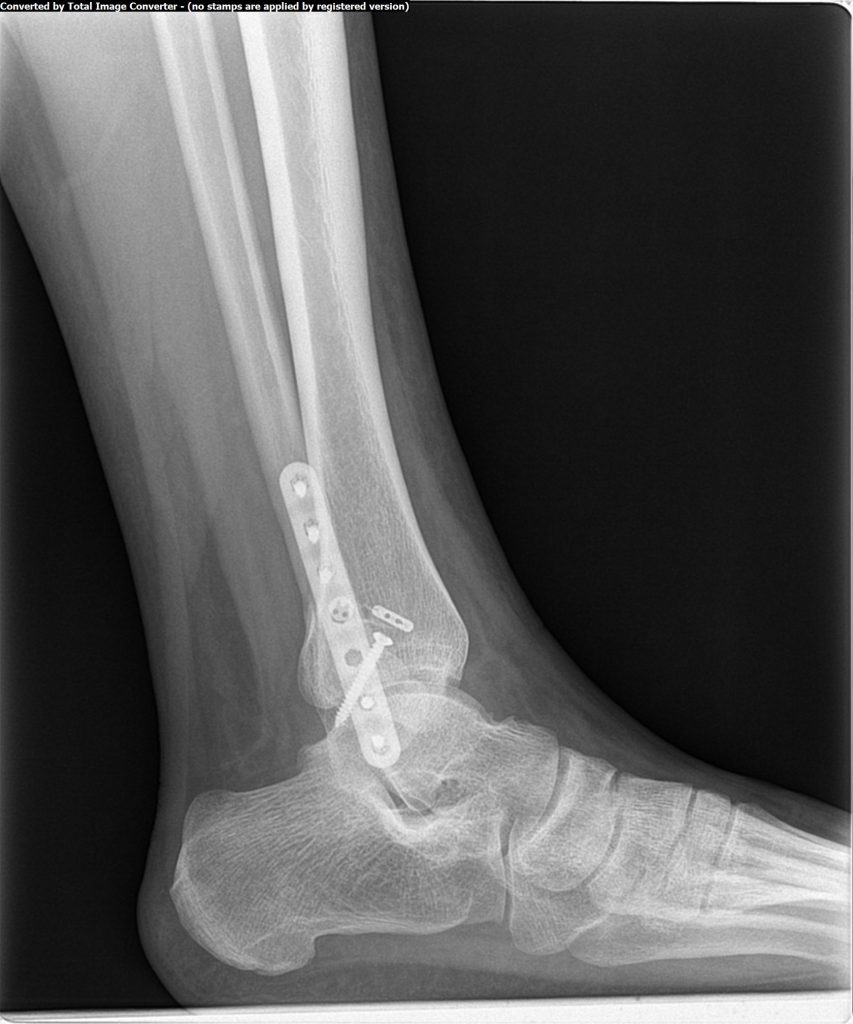
When Ankle Fracture Treatment Is Necessary
Medical treatment is recommended when ankle pain follows trauma or does not improve quickly. Ankle fracture treatment is typically required when:
- Imaging confirms a break in one or more ankle bones
- Pain and swelling do not improve with rest
- Walking or standing is difficult or impossible
- The ankle appears unstable or misshapen
- Symptoms worsen rather than improve
Delaying treatment can lead to improper bone healing, joint stiffness, chronic pain, or long-term mobility issues.

How Ankle Fractures Are Evaluated
Ankle fracture treatment begins with a comprehensive foot and ankle evaluation to determine the type and severity of the injury.
Evaluation will include:
- Physical examination of the ankle and lower leg to determine if there are any blisters
- Assessment of swelling, alignment, and joint stability
- Review of how the injury occurred
- Imaging studies, such as X-rays, to confirm fracture location and alignment
- CT scans may be needed to determine alignment or diagnose
- MRI are better to evaluate stress fractured
Accurate diagnosis allows for proper treatment planning and helps avoid complications during healing.
Ankle Fracture Treatment Options
Treatment depends on the location, severity, and stability of the fracture, as well as the patient’s activity level and overall health.
Ankle fracture treatment options may include:
- Immobilization using a cast or walking boot
- Activity restriction and protected weight-bearing with a scooter if needed
- Supportive care to manage swelling and discomfort
- Gradual return-to-movement planning as healing progresses
- Surgical consultation for unstable or displaced fractures
The goal of treatment is to ensure the bones heal in proper alignment while preserving ankle function quickly and to return to activity quickly and safely.
Recovery and Healing After an Ankle Fracture
Recovery timelines vary depending on the type of fracture and treatment approach. Healing typically involves:
- A period of immobilization
- Gradual increase in weight-bearing as directed
- Follow-up visits to monitor bone healing.
- Determine if there is any pain when pressing on the fracture site. Best indication in healing in my years of experience
- Guidance on safely returning to daily activities
Adhering to the recommended recovery plan is essential to support proper healing and avoid reinjury. Returning to activity too quickly can cause a stress fracture due to the osteopenia that results from non weight bearing or being in a boot.

Goals of Ankle Fracture Treatment
Patients seeking ankle fracture treatment in Boca Raton are typically focused on:
- Proper bone healing
- Restoring ankle stability and mobility
- Reducing pain and swelling
- Preventing long-term complications
- Returning safely to work, activity, or sports
Treatment planning balances immediate injury care with long-term joint health.
Why Accurate Diagnosis and Follow-Up Matter
Ankle fractures that are mistaken for sprains or left untreated may heal improperly. This can lead to chronic pain, joint instability, or early arthritis.
Accurate diagnosis and structured follow-up care help ensure optimal healing and better long-term outcomes.
Schedule an Ankle Fracture Evaluation in Boca Raton
If you have suffered an ankle injury or suspect a fracture, prompt evaluation is important to determine the extent of the injury and the appropriate treatment plan.
Foot, Ankle & Leg Vein Center provides evaluation-based ankle fracture care focused on accurate diagnosis, proper healing, and safe recovery.
Scheduling an appointment allows your injury to be assessed thoroughly and your treatment options to be discussed clearly.
Ankle Fracture Treatment in Boca Raton
An ankle fracture is a serious injury that occurs when one or more of the bones forming the ankle joint break due to trauma, twisting, or impact. Because the ankle plays a critical role in weight-bearing and movement, fractures can significantly limit mobility and daily function if not treated properly.
Ankle fracture treatment in Boca Raton focuses on accurate diagnosis, proper stabilization, and guided recovery to support correct healing and reduce the risk of long-term complications such as instability, stiffness, or arthritis.
Common Causes of Ankle Fractures
Ankle fractures typically occur when excessive force is placed on the joint. Common causes include:
-
Falls or missteps on uneven surfaces
-
Twisting injuries during walking or running
-
Sports-related injuries
-
Motor vehicle accidents
-
High-impact activities or sudden directional changes
Because fractures can vary widely in severity, prompt evaluation is essential following ankle trauma.
Signs and Symptoms of an Ankle Fracture
An ankle fracture may present with symptoms that resemble a severe sprain, which is why professional evaluation is important. Common signs include:
-
Severe ankle pain following injury
-
Swelling and bruising around the ankle
-
Difficulty or inability to bear weight
-
Tenderness to touch
-
Deformity or abnormal positioning of the ankle
-
Pain that worsens with movement
Any ankle injury involving significant pain, swelling, or difficulty walking should be evaluated to rule out a fracture.
When Ankle Fracture Treatment Is Necessary
Medical treatment is recommended when ankle pain follows trauma or does not improve quickly. Ankle fracture treatment is typically required when:
-
Imaging confirms a break in one or more ankle bones
-
Pain and swelling do not improve with rest
-
Walking or standing is difficult or impossible
-
The ankle appears unstable or misshapen
-
Symptoms worsen rather than improve
Delaying treatment can lead to improper bone healing, joint stiffness, chronic pain, or long-term mobility issues.
How Ankle Fractures Are Evaluated
Ankle fracture treatment begins with a comprehensive foot and ankle evaluation to determine the type and severity of the injury.
Evaluation may include:
-
Physical examination of the ankle and lower leg
-
Assessment of swelling, alignment, and joint stability
-
Review of how the injury occurred
-
Imaging studies such as X-rays to confirm fracture location and alignment
Accurate diagnosis allows for proper treatment planning and helps avoid complications during healing.
Ankle Fracture Treatment Options
Treatment depends on the location, severity, and stability of the fracture, as well as the patient’s activity level and overall health.
Ankle fracture treatment options may include:
-
Immobilization using a cast or walking boot
-
Activity restriction and protected weight-bearing
-
Supportive care to manage swelling and discomfort
-
Gradual return-to-movement planning as healing progresses
-
Surgical consultation for unstable or displaced fractures
The goal of treatment is to ensure the bones heal in proper alignment while preserving ankle function.
Recovery and Healing After an Ankle Fracture
Recovery timelines vary depending on the type of fracture and treatment approach. Healing typically involves:
-
A period of immobilization
-
Gradual increase in weight-bearing as directed
-
Follow-up visits to monitor bone healing
-
Guidance on safely returning to daily activities
Adhering to the recommended recovery plan is essential to support proper healing and avoid reinjury.
Goals of Ankle Fracture Treatment
Patients seeking ankle fracture treatment in Boca Raton are typically focused on:
-
Proper bone healing
-
Restoring ankle stability and mobility
-
Reducing pain and swelling
-
Preventing long-term complications
-
Returning safely to work, activity, or sports
Treatment planning balances immediate injury care with long-term joint health.
Why Accurate Diagnosis and Follow-Up Matter
Ankle fractures that are mistaken for sprains or left untreated may heal improperly. This can lead to chronic pain, joint instability, or early arthritis.
Accurate diagnosis and structured follow-up care help ensure optimal healing and better long-term outcomes.
Schedule an Ankle Fracture Evaluation in Boca Raton
If you have suffered an ankle injury or suspect a fracture, prompt evaluation is important to determine the extent of the injury and the appropriate treatment plan.
Foot, Ankle & Leg Vein Center provides evaluation-based ankle fracture care focused on accurate diagnosis, proper healing, and safe recovery.
Scheduling an appointment allows your injury to be assessed thoroughly and your treatment options to be discussed clearly.
Office Location
- Working Hours
Mon-Thur : 9:00am – 5:00pm
Friday : 9:00am – 3:00pm